
Claude Debussy
Syrinx
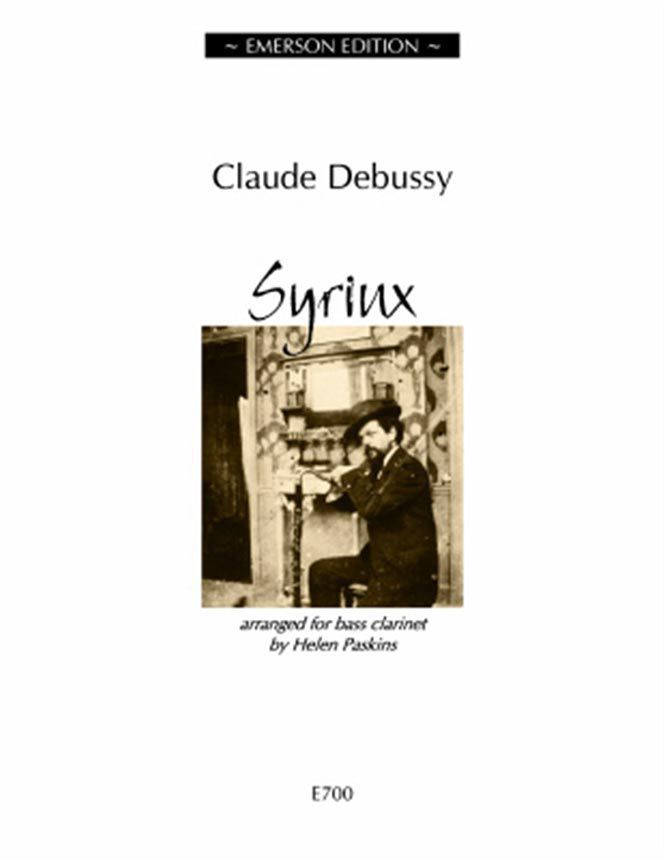
Claude Debussy
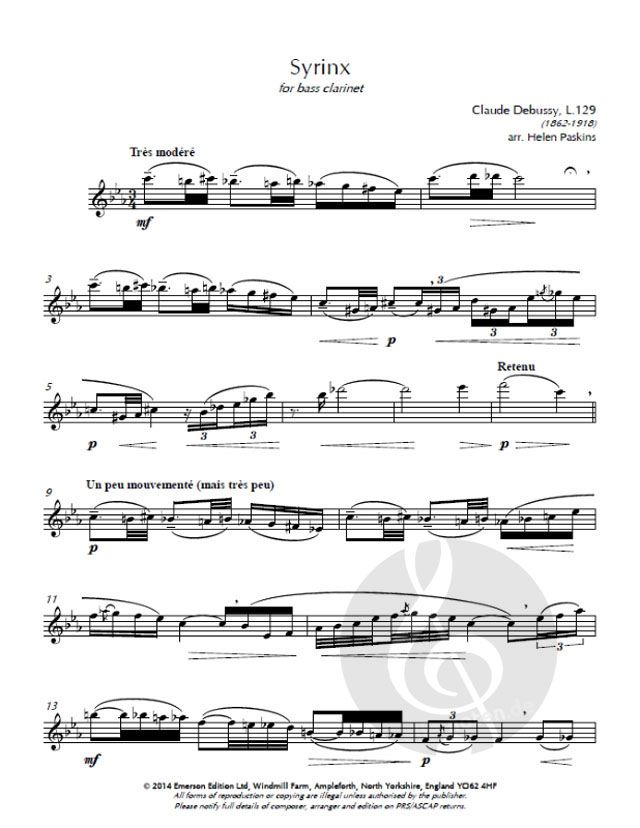
Syrinx
- Besetzung Bassklarinette
- Komponist Claude Debussy
- Bearbeiter Helen Paskins
-
Schwierigkeit
- Ausgabe Noten
- Verlag June Emerson Edition
- Bestell-Nr. EMERSON700
 auf Lager
Lieferzeit 1-3 Arbeitstage
inkl. MwSt.,
zzgl. Versand
Nicht in allen Ländern verfügbar. Mehr erfahren

Beschreibung:
'Syrinx was written in 1913 by Debussy for the flute as incidental music to Gabriel Mourey's play, Psyché. It was first performed by and dedicated to Louis Fleury. It has become a staple of the flute repertoire and subsequently of the solo classical saxophone repertoire too. It works beautifully on the bass clarinet; the timbre of the instrument really resonates with the haunting melancholy of the melody.
The story of Syrinx is from classical mythology and has inspired many wonderful works of art, literature and music. It tells of a beautiful and chaste nymph who is transformed into water reeds that sing sweetly in the breeze as she attempts to escape the amorous advances of the Greek God Pan. Pan, on hearing the enchanting melody of the reeds, cuts them down to make pan pipes, thereby unwittingly killing his love but keeping her with him forever.
For flautists, Syrinx and the French flute tradition have played an important role in inspiring players to find and explore the full palette of ethereal and evocative tone colours. The subtle flexibility with which it is possible to craft the sound is a feature of wonderful flute playing today and from which I feel there is much we bass clarinettists can learn.'
Helen Paskins, 2015
The story of Syrinx is from classical mythology and has inspired many wonderful works of art, literature and music. It tells of a beautiful and chaste nymph who is transformed into water reeds that sing sweetly in the breeze as she attempts to escape the amorous advances of the Greek God Pan. Pan, on hearing the enchanting melody of the reeds, cuts them down to make pan pipes, thereby unwittingly killing his love but keeping her with him forever.
For flautists, Syrinx and the French flute tradition have played an important role in inspiring players to find and explore the full palette of ethereal and evocative tone colours. The subtle flexibility with which it is possible to craft the sound is a feature of wonderful flute playing today and from which I feel there is much we bass clarinettists can learn.'
Helen Paskins, 2015
Kunden bewerteten diesen Artikel:
Herstellerinformationen:
June Emerson Edition
Windmill Farm
YO62 4AF
Ampleforth
United Kingdom
Andere Kunden kauften auch:
Isang Yun
- Bassklarinette
- Noten
-
Lieferzeit 2-5 Arbeitstage

- Bassklarinette und Orgel
- Noten
- Colette Mourey
-
Lieferzeit 1-2 Wochen
- Auch als Download verfügbar!
- Klavier
- Noten
-
auf Lager
Lieferzeit 1-3 Arbeitstage - Auch als Download verfügbar!

- Bassklarinette
- Noten
-
auf Lager
Lieferzeit 1-3 Arbeitstage
- Bassklarinette
- Noten
-
auf Lager
Lieferzeit 1-3 Arbeitstage

Howard Voxman, Joseph Haydn
- Bassklarinette und Klavier
- Einzelstimme Bassklarinette
-
auf Lager
Lieferzeit 1-3 Arbeitstage

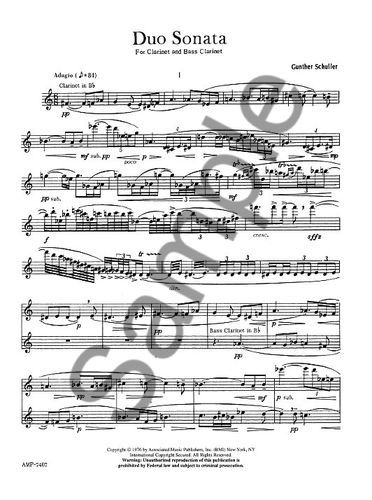
- Klarinette und Bassklarinette
- Noten
-
Lieferzeit 2-4 Wochen


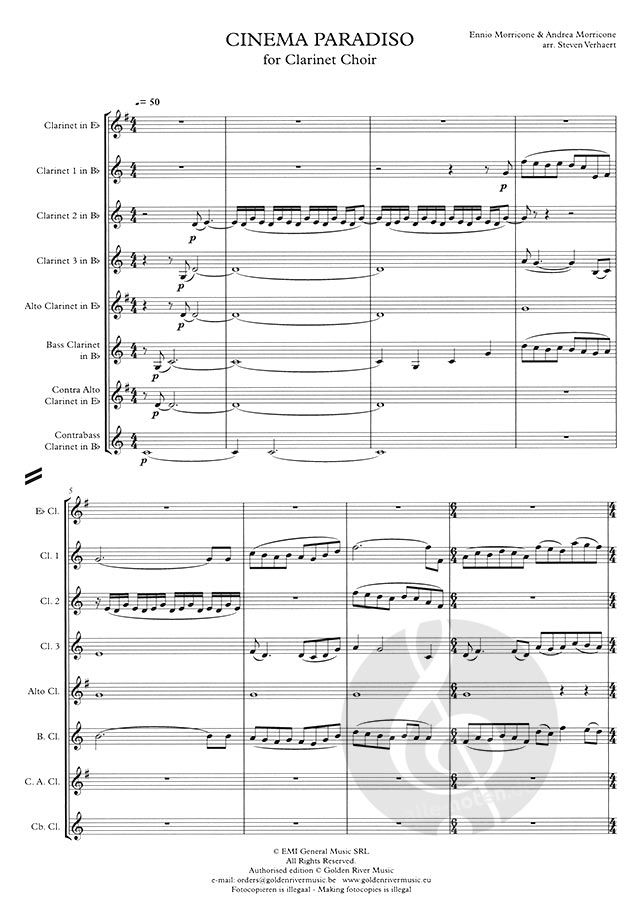
- Klarinette in Es, 3 Klarinetten, Altklarinette, Bassklarinette, Kontrabassklarinette in Es und Kontrabassklarinette
- Partitur und Stimmen
- Steven Verhaert
-
Lieferzeit 2-4 Wochen

Michael Nyman
- Bassklarinette
- Noten
-
Lieferzeit 3-6 Arbeitstage