
Johann Melchior Molter
Concerto in Ré maggiore

Johann Melchior Molter
Concerto in Ré maggiore
- Besetzung Trompete und Klavier
- Opt. Besetzung Corno da Caccia und Klavier
- Ausgabe Klavierauszug
-
Schwierigkeit
- Komponist Johann Melchior Molter
- Verlag Editions Bim
- Bestell-Nr. BIM-CO10A
inkl. MwSt.,
zzgl. Versand
 Lieferzeit 1-2 Wochen
Voraussichtliche Lieferung zwischen
19.11.2026
und
26.11.2026.

Beschreibung:
Trumpet (Corno da Caccia), Strings and BC or Piano.
Johann Melchior Molter (ca. 1695- 1765), born in the Thuringian principality of Eisenach, became in 1717 a musicien in the service of Margrave Karl Wilhem of Baden-Durlach, who sent him in 1719 to Venice and Rome, where he was especially influenced by the compositions of A. Vivaldi. After his return in 1722, he accepted the position of director of the court orchestra in Durlach and Karlsruhe. After the outbreak of the Polish Succession War (1733), the Margrave moved out of the Karlsruhe residence and dissolved the court orchesta. Molter was sent to the Saxon-Eisenach court, where he stayed (except for a second trip to Italy in 1738) until the dissolution of the court orchestra in 1741. After 1743 we find him again in the service of the Margrave Karl Wilhelm, where as music director he had the task of re-establishing the orchestra. He remained in this post until his death. His large body of instrumental music is stylistically similar to Vivaldi, but already evidences many 'gallant' touches, and it is especially notable in the use (rare at that time) of solo instruments as chalumeau and clarinet. However, Molter also wrote many works for the natural trumpet and the corno da caccia, some in extreme high register.
Johann Melchior Molter (ca. 1695- 1765), born in the Thuringian principality of Eisenach, became in 1717 a musicien in the service of Margrave Karl Wilhem of Baden-Durlach, who sent him in 1719 to Venice and Rome, where he was especially influenced by the compositions of A. Vivaldi. After his return in 1722, he accepted the position of director of the court orchestra in Durlach and Karlsruhe. After the outbreak of the Polish Succession War (1733), the Margrave moved out of the Karlsruhe residence and dissolved the court orchesta. Molter was sent to the Saxon-Eisenach court, where he stayed (except for a second trip to Italy in 1738) until the dissolution of the court orchestra in 1741. After 1743 we find him again in the service of the Margrave Karl Wilhelm, where as music director he had the task of re-establishing the orchestra. He remained in this post until his death. His large body of instrumental music is stylistically similar to Vivaldi, but already evidences many 'gallant' touches, and it is especially notable in the use (rare at that time) of solo instruments as chalumeau and clarinet. However, Molter also wrote many works for the natural trumpet and the corno da caccia, some in extreme high register.
Kunden bewerteten diesen Artikel:
alle-noten.de: Notenversand seit 1969

Bereits seit 1969 vertrauen uns über 500.000 Kunden. Mit einer riesigen Auswahl an über 1.000.000 Noten sind wir einer der größten Anbieter Europas. Durch unseren großen Lagerstand können wir Noten oft innerhalb von 24 Stunden versenden. Egal welche Noten Sie suchen: bei uns sind Sie richtig!
Ihre Stefanie Reichert
Leitung Kundenbetreuung

Verwandte Artikel:

- Trompete, Streichorchester und Basso Continuo
- Partitur
- Editions Bim
-
-
Lieferzeit 1-2 Wochen
- Auch als Download verfügbar!


- Trompete, Streichorchester und Basso Continuo
- Partitur Download
- Editions Bim
-
-
sofort verfügbar
|
Download sofort nach Bestellung
- Sofortdownload

- Trompete und Klavier
- Klavierauszug Download
- Editions Bim
-
-
sofort verfügbar
|
Download sofort nach Bestellung
- Sofortdownload

- Trompete, Streichorchester und Basso Continuo
- Stimmensatz
- Editions Bim
-
-
Lieferzeit 1-2 Wochen
- Auch als Download verfügbar!

- Trompete, Streichorchester und Basso Continuo
- Stimmensatz Download
- Editions Bim
-
-
sofort verfügbar
|
Download sofort nach Bestellung
- Sofortdownload
Andere Kunden kauften auch:

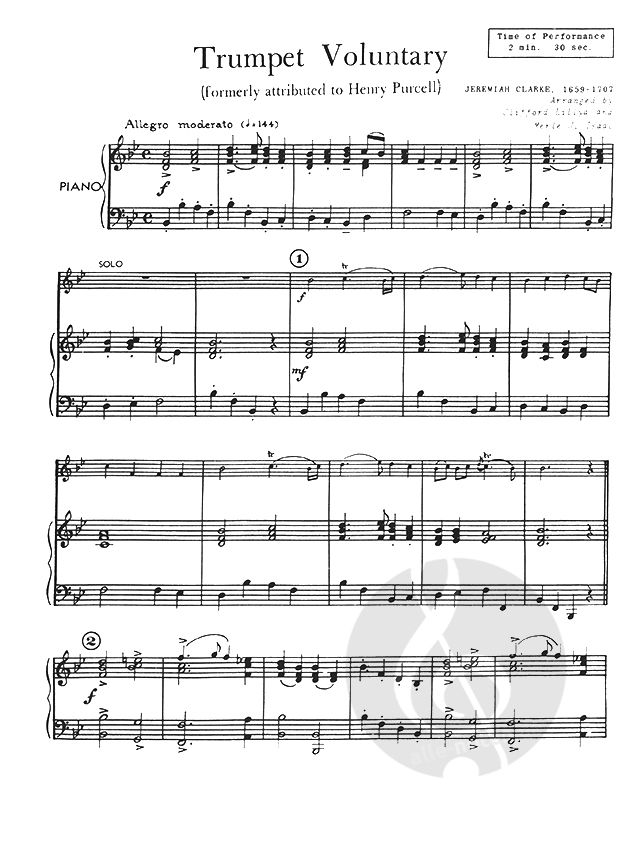
Jeremiah Clarke
- Trompete und Klavier
- Noten
-
auf Lager
|
Lieferzeit 1-3 Arbeitstage

Henry Purcell
- Trompete und Klavier
- Noten
- Jean Thilde
-
Lieferzeit 1-2 Wochen

Henry Purcell
- 2 Trompeten und Klavier
- Noten
- Jean Thilde
-
Lieferzeit 1-2 Wochen

- Klavier
- Noten
-
Lieferzeit 2-5 Arbeitstage

Léon Stekke
- Trompete und Klavier
- Klavierpartitur und Stimme(n)
-
auf Lager
|
Lieferzeit 1-3 Arbeitstage

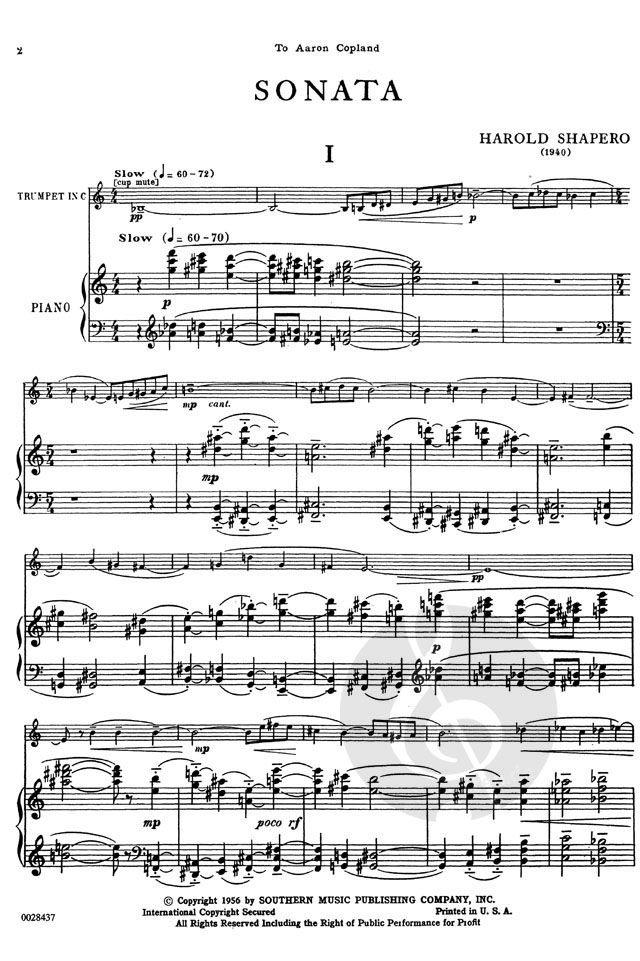
Harold Shapero
- Trompete und Klavier
- Noten
-
auf Lager
|
Lieferzeit 1-3 Arbeitstage

- Trompete und Klavier
- Noten
- Jonathan Attwood, Thomas Oehler
-
auf Lager
|
Lieferzeit 1-3 Arbeitstage

Marc-André Hamelin
- Klavier
- Noten
-
auf Lager
|
Lieferzeit 1-3 Arbeitstage

- Trompete in C und Klavier
- Noten
- Moritz Eggert
-
auf Lager
|
Lieferzeit 1-3 Arbeitstage

Jörg Widmann
- Klavier
- Noten
-
Lieferzeit 2-5 Arbeitstage
- Auch als Download verfügbar!

- Klavier
- Noten
-
Lieferzeit 2-5 Arbeitstage
- Auch als Download verfügbar!