
Bob Marley FAQ
All That's Left to Know About the King of Reggae
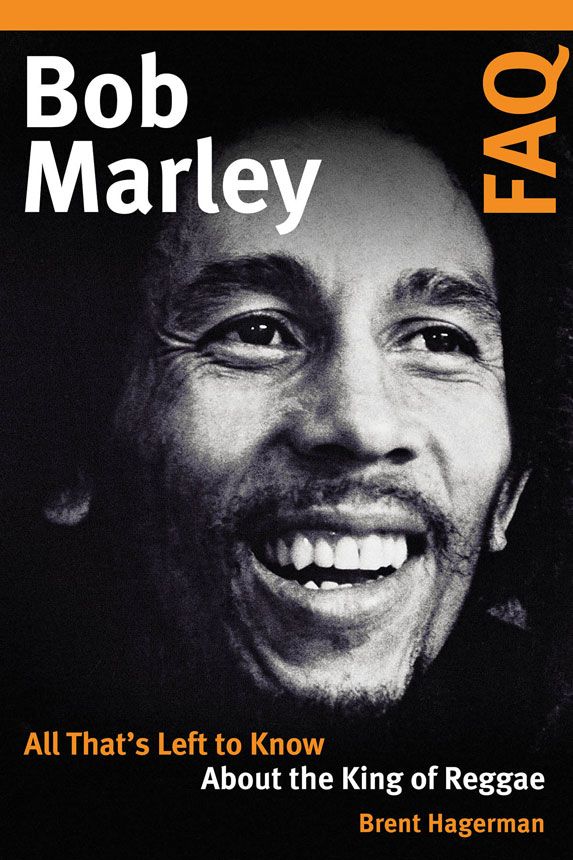
Bob Marley FAQ
All That's Left to Know About the King of Reggae
- Besetzung Literatur
- Ausgabe Buch
- Verlag Backbeat Books
- Bestell-Nr. 00160569
 Lieferzeit 3-6 Arbeitstage
inkl. MwSt.,
zzgl. Versand
Nicht in allen Ländern verfügbar. Mehr erfahren

Beschreibung:
Who is your favorite Bob Marley? Athletic soccer jock? Herb aficionado? One Love superhero? Subversive revolutionary? Sexy ladies' man? Political activist? Dreadlocked bohemian? Peace broker? Rastafarian natural mystic? Third World theologian? Streetwise ghetto rude boy? International pop star? Folksy troubadour? Reggae guitarist? Loving family man? Shrewd businessman? Bob Marley FAQ: All That's Left to Know About the King of Reggae captures these many sides of the legendary artist. Divided into four sections - the Man, the Music, the Mystic, and the Myth - this book probes each aspect of Marley's character and representation, giving readers a well-rounded look at the singerBono called Dr. King in dreads. Bob Marley FAQ answers many questions of both casual and hardcore fans while offering new facts and perspectives. It provides an engaging overview of Marley's life, music, and legacy, contextualizing his career in a musical and religious mission that successfully saw him spread both reggae music and the Rastafari religion globally. Marley was more than just a rock star. As a political activist, Black Nationalist, sage, lover, and theologian, his impact has been felt in arenas far removed from the music industry. Bob Marley FAQ presents the music icon as an unparalleled 20th-century artist who, in the turbulent and often violent postcolonial era, took the struggles of the Third World to the ears of the First World using a new subgenre of music that forged Afro-Jamaican rhythms and songcraft with American popular music.