
Silvestre Revueltas
Sensemaya (1938)
Study Score No. 51

Silvestre Revueltas
Sensemaya (1938)
Study Score No. 51
- Besetzung Orchester
- Ausgabe Partitur
- Komponist Silvestre Revueltas
- Verlag G. Schirmer
- Bestell-Nr. 50339100
inkl. MwSt.,
zzgl. Versand
 Lieferzeit 3-6 Arbeitstage
Voraussichtliche Lieferung zwischen
18.11.2026
und
23.11.2026.

Beschreibung:
Silvestre Revueltas' 'Sensemaya' was written in 1937 for chamber orchestra; one year later, the composer transcribed it for a huge orchestra of twenty-seven wind instruments, fourteen percussion instruments, and strings. Therhythms are laid out precisely and have considerable visceral impact, very much in a manner that recalls Igor Stravinsky's The Rite of Spring. However, Revueltas' masterful orchestration, and ability to evoke the ancient Mayacivilization with decidedly modern music are uniquely his own. It is a unique orchestral spectacle, something only Revueltas could have written, and in its way it is one of the most brutal works of its time.
Theworkbegins with a low note in the bassoon as the percussion plays the sinuous, syncopated rhythm that drives the work. Soon a solo horn enters playing the first of this work's two major themes, a muscular, ominous motif. Otherhorns join the first one to play the theme, growing louder and more emphatic, but rigorously yoked to the underlying rhythm. Eventually the horns blast as loudly as they can, with obsessive trills on the bassoon far underneath, and the violins enter with the slashing second theme. The horns take up this new theme and bring it to a climax, after which the music returns to its opening texture. This recapitulation brings with it a mood of foreboding. Therhythm becomes even more obsessive, and finally the music reaches a massive climax during which both themes are played, overlapping, sometimes in part and sometimes in whole, by woodwinds, brass and violins in what sounds like amusical riot. The coda feels like the final dropping of a knife.
Theworkbegins with a low note in the bassoon as the percussion plays the sinuous, syncopated rhythm that drives the work. Soon a solo horn enters playing the first of this work's two major themes, a muscular, ominous motif. Otherhorns join the first one to play the theme, growing louder and more emphatic, but rigorously yoked to the underlying rhythm. Eventually the horns blast as loudly as they can, with obsessive trills on the bassoon far underneath, and the violins enter with the slashing second theme. The horns take up this new theme and bring it to a climax, after which the music returns to its opening texture. This recapitulation brings with it a mood of foreboding. Therhythm becomes even more obsessive, and finally the music reaches a massive climax during which both themes are played, overlapping, sometimes in part and sometimes in whole, by woodwinds, brass and violins in what sounds like amusical riot. The coda feels like the final dropping of a knife.
-
Sensemaya
Kunden bewerteten diesen Artikel:
Hal Leonard Europe B. V.
Businesspark Friesland-West 15
8447
SL Heerenveen
Niederlande
alle-noten.de: Notenversand seit 1969

Bereits seit 1969 vertrauen uns über 500.000 Kunden. Mit einer riesigen Auswahl an über 1.000.000 Noten sind wir einer der größten Anbieter Europas. Durch unseren großen Lagerstand können wir Noten oft innerhalb von 24 Stunden versenden. Egal welche Noten Sie suchen: bei uns sind Sie richtig!
Ihre Stefanie Reichert
Leitung Kundenbetreuung
Andere Kunden kauften auch:

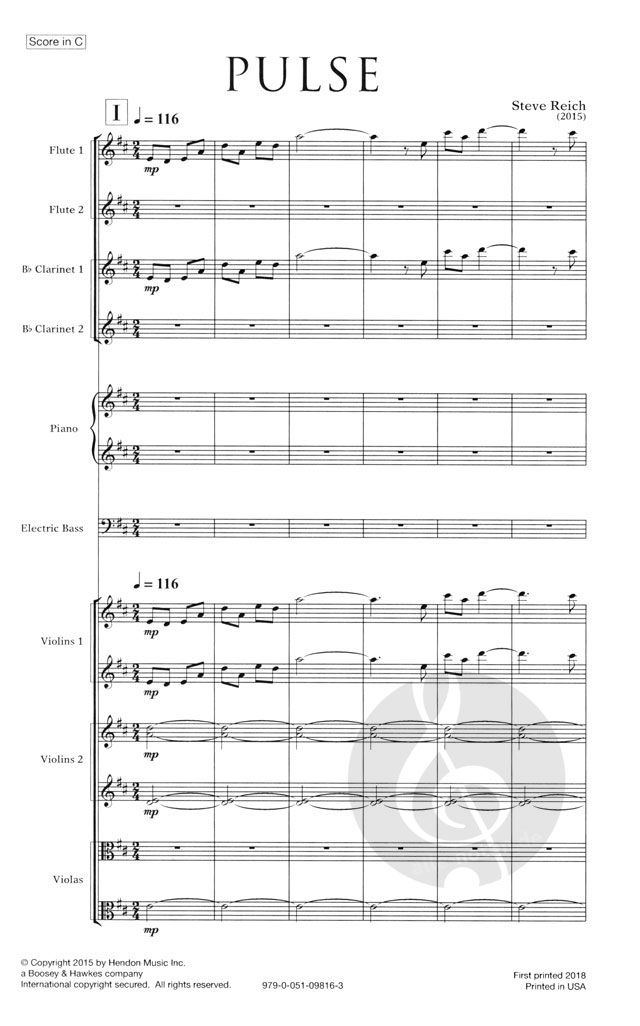
Steve Reich
- Bläser, Streicher, Klavier und E-Bass
- Studienpartitur
-
auf Lager
|
Lieferzeit 1-3 Arbeitstage

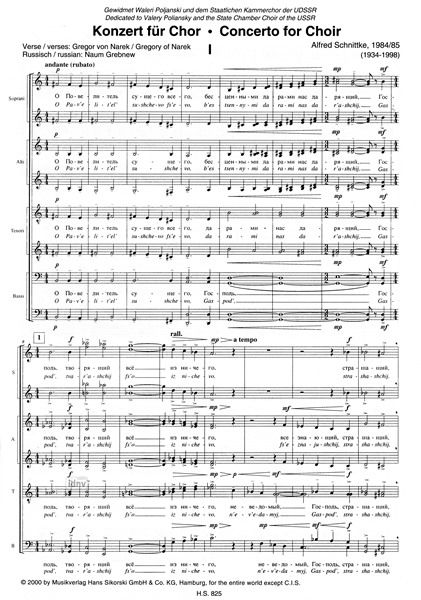
Alfred Schnittke
- Gemischter Chor (SATB)
- Partitur
-
auf Lager
|
Lieferzeit 1-3 Arbeitstage
- Auch als Download verfügbar!

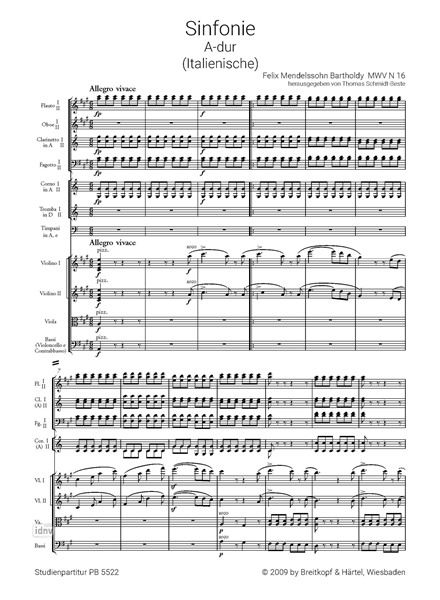
- Orchester
- Studienpartitur
-
auf Lager
|
Lieferzeit 1-3 Arbeitstage

- Orchester
- Studienpartitur (Urtext)
-
auf Lager
|
Lieferzeit 1-3 Arbeitstage