
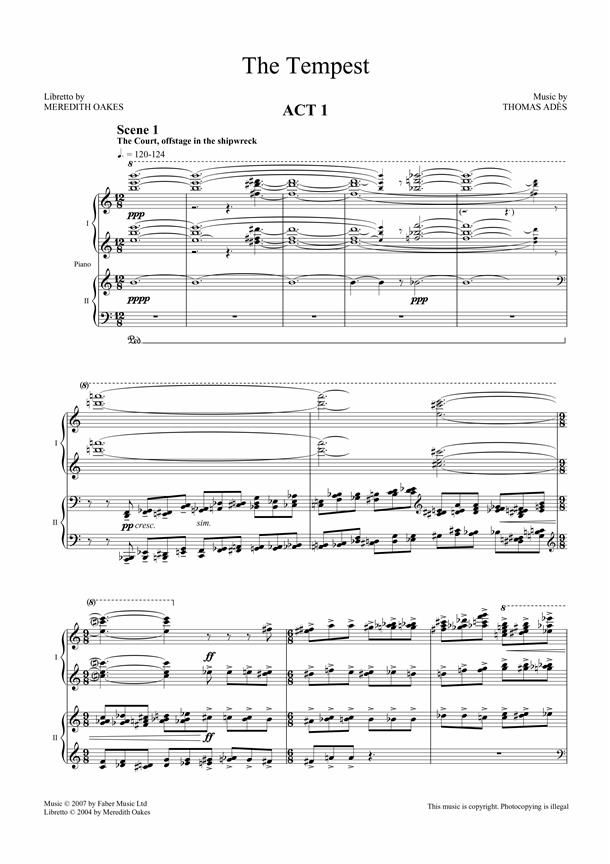
Thomas Adès
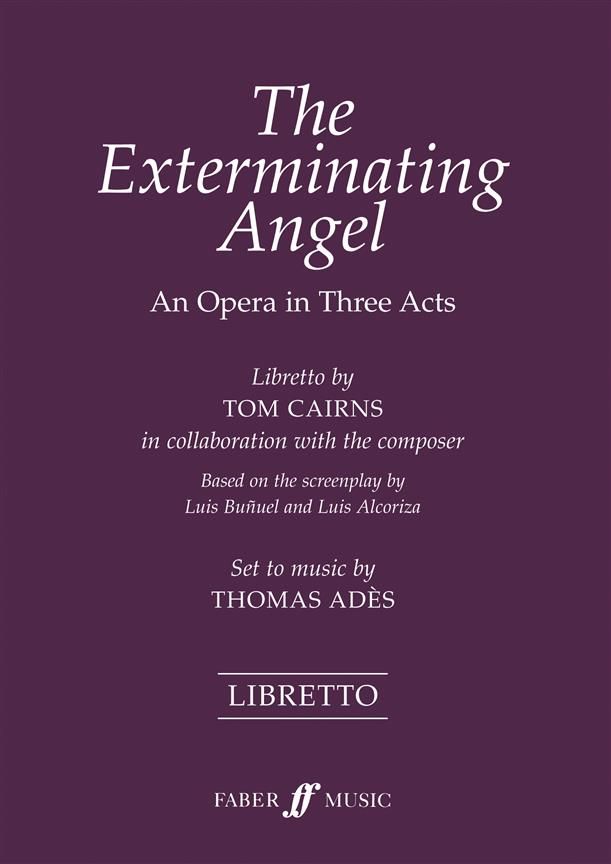
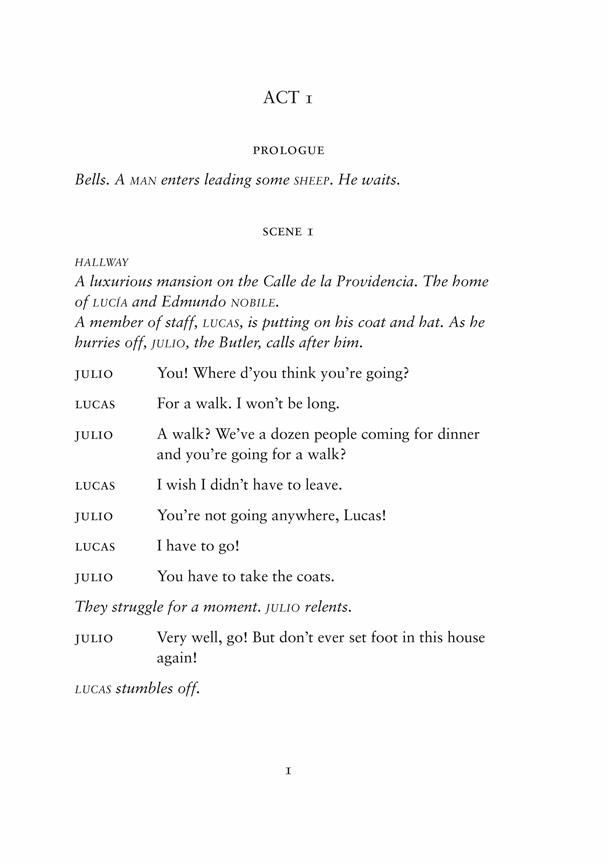
The Exterminating Angel - Libretto
An Opera in Three Acts
PDF
ansehen
Thomas Adès
The Exterminating Angel - Libretto
An Opera in Three Acts
- Besetzung Gesang und Orchester
- Komponist Thomas Adès
- Ausgabe Textheft
- Verlag Faber Music
- Bestell-Nr. 0571539696
 Lieferzeit 3-6 Arbeitstage
inkl. MwSt.,
zzgl. Versand
Nicht in allen Ländern verfügbar. Mehr erfahren
Beschreibung:
A turning point for Adès and, it felt, for opera itself. ' The Observer (Fiona Maddocks), 31 July 2016 'Some of Adès's most powerful orchestral writing. . . The music is constantly fascinating. . . Cairns's staging is as meticulously detailed as Adès's score. ' The Guardian (Andrew Clements), 29 July 2016 'Packed full of provocation and ideas. . . Amidst the brutal descent into anarchy, Adès's skill at being ironic shines through time and again. It's not every day that the premiere of an experimental opera receives a standing ovation. ' Der Spiegel (Werner Theurich), 29 July 2016 'Intoxicating and at times quite brutal; for all its scorching passion, the opera leaves one chilled to the bone' The Times Literary Supplement (Guy Dammann), 19 August 2016 'Adès is as compelling as any contemporary practitioner of his art because he is, first and foremost, a virtuoso of extremes. He is a refined technician, with a skilled performer's reverence for tradition, yet he has no fear of unleashing brutal sounds on the edge of chaos. Although he makes liberal use of tonal harmony he subjects that material to shattering pressure. He conjures both the vanished past and the ephemeral present. . . Like Berg, the 20th-century master whom he most resembles, he pushes ambiguity to the point of explosive crisis. . . Never have Adès's extremes collided more spectacularly. . . in his hands Bunuel's cool, eerie scenario takes on a tragic volatility. . . Throughout, Adès pulls off the Stravinskyan feat of making prior styles sound like premonitions of his own. . . Liberation is achieved not only by a ritual of repetition but also through a visionary aria for Leticia. . . When the spell of immobility resumes, seraphic harmonies give way to a colossal, demonic setting of fragments of the Libera Me, with bells ringing anarchic changes. On this note of mystical dread the opera closes, no exit in sight. ' The New Yorker (Alex Ross), 22 August 2016
Kunden bewerteten diesen Artikel:
Herstellerinformationen:
Faber Peters Music Distribution
Talstr. 10
04103
Leipzig
Deutschland
Andere Kunden kauften auch:
- Gesang und Klavier
- Klavierauszug
-
Lieferzeit 3-6 Arbeitstage
- Orchester
- Studienpartitur (Urtext)
-
auf Lager
Lieferzeit 1-3 Arbeitstage
Robert Schumann
- Streichquartett (2 Violinen, Viola und Cello)
- Stimmensatz (Urtext)
-
auf Lager
Lieferzeit 1-3 Arbeitstage
- Orchester
- Studienpartitur
-
Lieferzeit 2-5 Arbeitstage
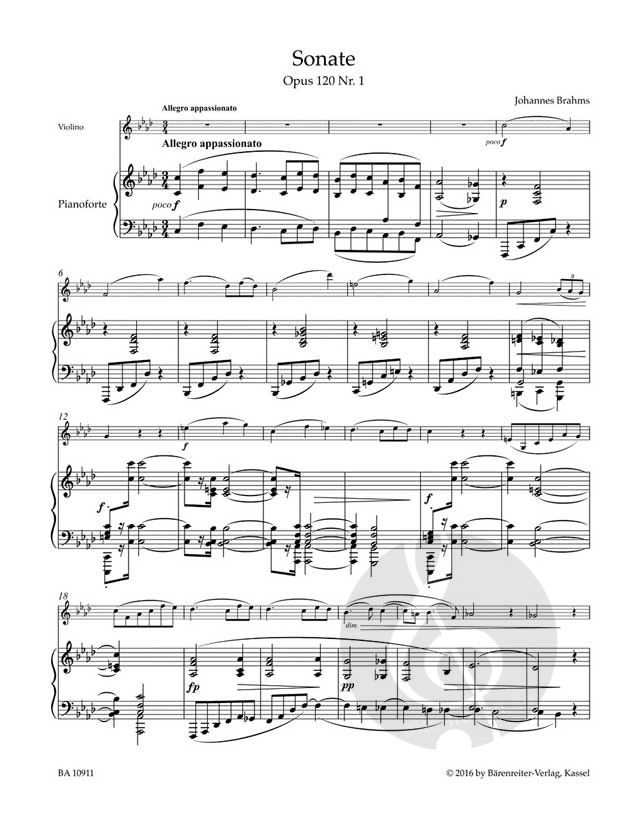
- Violine und Klavier
- Spielpartitur und Stimmen (Urtext)
-
auf Lager
Lieferzeit 1-3 Arbeitstage - Auch als Download verfügbar!
- Streichquartett
- Studienpartitur
-
auf Lager
Lieferzeit 1-3 Arbeitstage
Jean Sibelius
- Orchester
- Studienpartitur (Urtext)
-
auf Lager
Lieferzeit 1-3 Arbeitstage
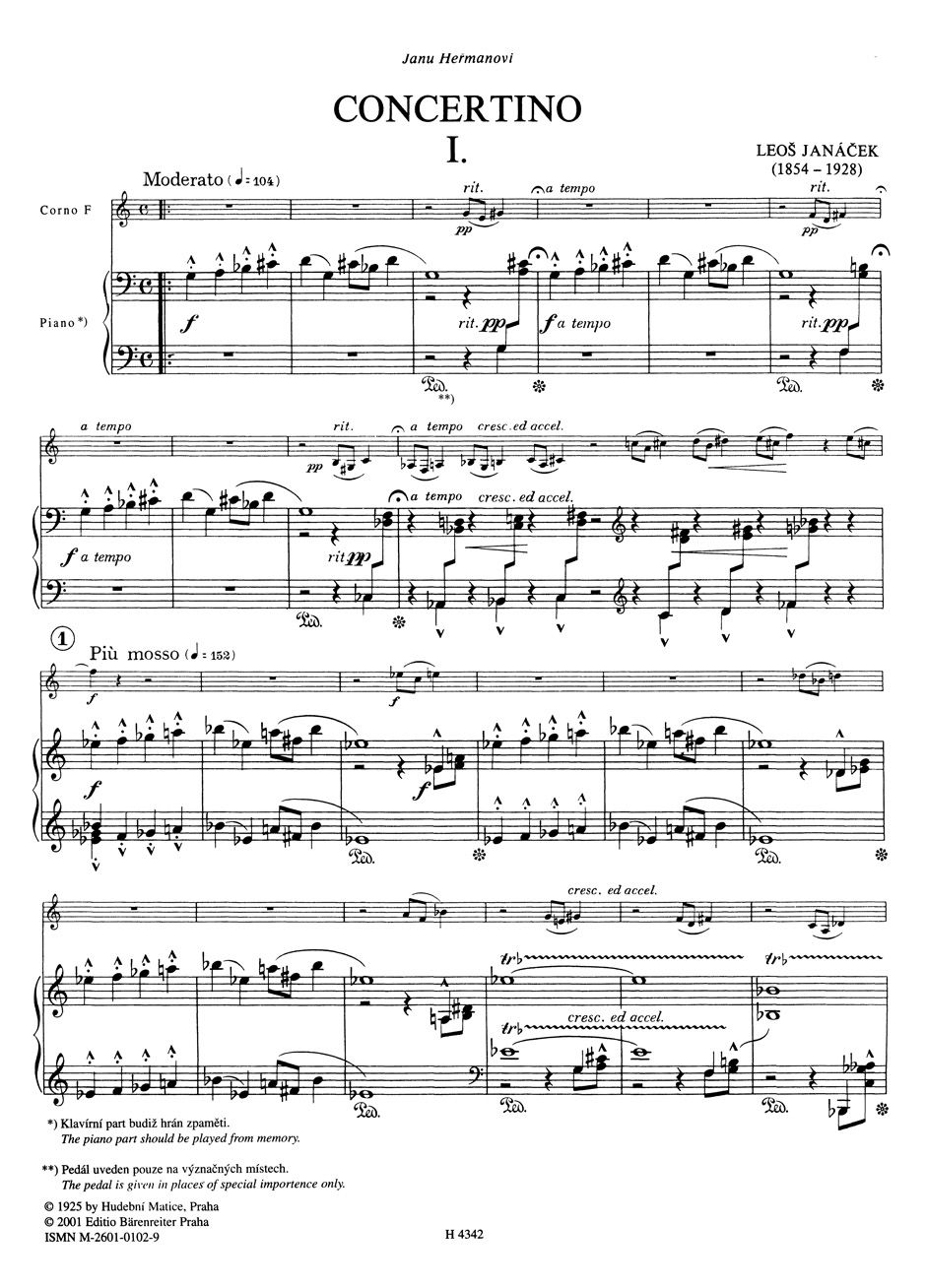
Leoš Janáček
- Klavier, 2 Violinen, Viola, Klarinette, Horn und Fagott
- Partitur und Stimmen
-
auf Lager
Lieferzeit 1-3 Arbeitstage
Jean Sibelius
- Orchester
- Studienpartitur
-
Lieferzeit 2-4 Wochen
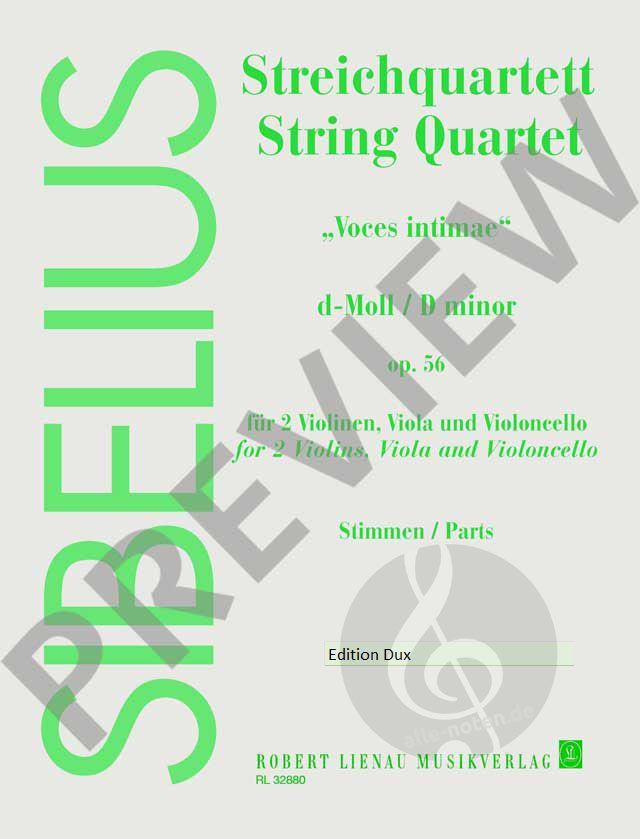
- Streichquartett (2 Violinen, Viola und Cello)
- Stimmensatz
-
auf Lager
Lieferzeit 1-3 Arbeitstage - Auch als Download verfügbar!
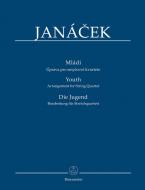
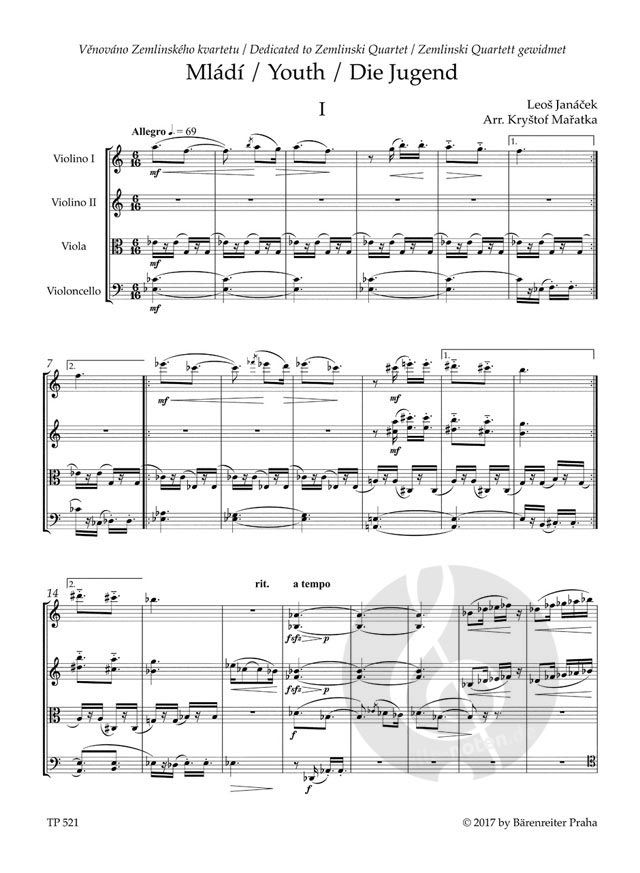
- Streichquartett (2 Violinen, Viola und Cello)
- Studienpartitur
- Krystof Maratka
-
auf Lager
Lieferzeit 1-3 Arbeitstage
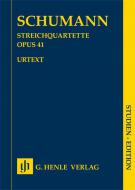
- Streichquartett (2 Violinen, Viola und Cello)
- Studienpartitur (Urtext)
-
auf Lager
Lieferzeit 1-3 Arbeitstage
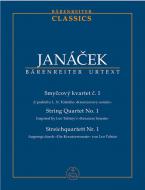



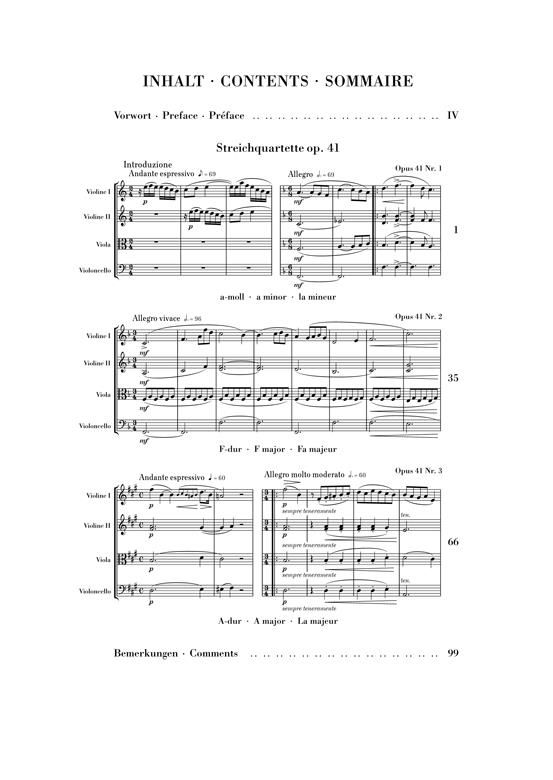
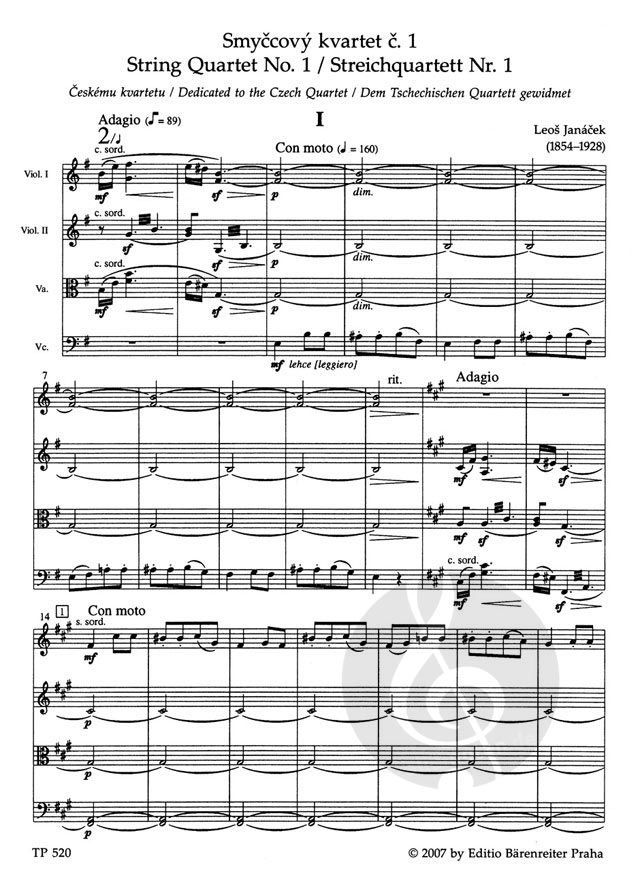
- Streichquartett (2 Violinen, Viola und Cello)
- Studienpartitur (Urtext)
-
auf Lager
Lieferzeit 1-3 Arbeitstage
Jean Sibelius
- Orchester
- Studienpartitur
-
auf Lager
Lieferzeit 1-3 Arbeitstage
- Orchester
- Studienpartitur
-
auf Lager
Lieferzeit 1-3 Arbeitstage